Dry Rot Remediation in Denver County, CO
Dry rot remediation services focus on identifying and removing wood decay caused by fungal growth that thrives in moist, humid conditions. These services typically cover projects involving infected structural wood, such as beams, joists, framing, and other load-bearing components, as well as wood siding, trim, and decorative elements. Property owners usually want to understand the extent of the damage, the causes of moisture intrusion, and the steps involved in effectively stopping the spread of dry rot to protect the integrity of their home.
Before requesting dry rot remediation, homeowners should consider the severity of the decay, whether moisture sources like leaks or poor drainage are present, and the potential need for repairs to prevent future issues. It’s important to assess the scope of work required, including the removal of affected wood, treatment of remaining materials, and measures to improve ventilation or moisture control. Clear communication about these factors can help ensure the project addresses both current damage and future prevention.
Many property owners in Denver County, CO look into Dry Rot Remediation for repairs, replacements, upgrades, and appearance-related improvements.
Identifying Dry Rot Damage
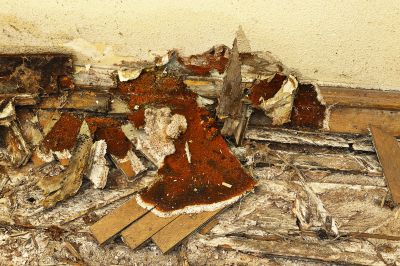
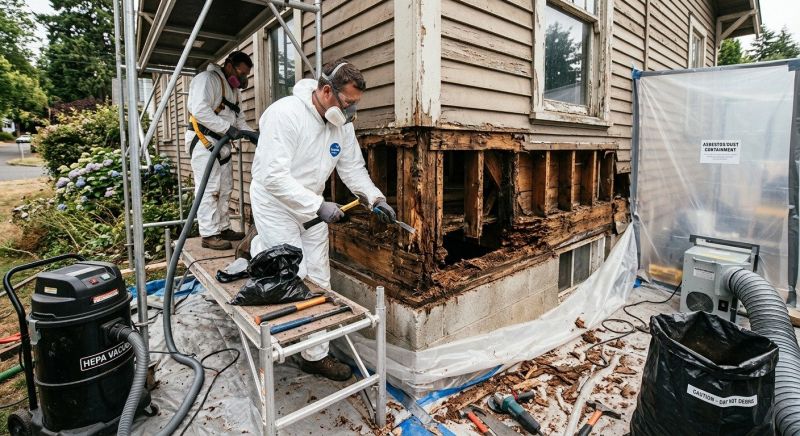
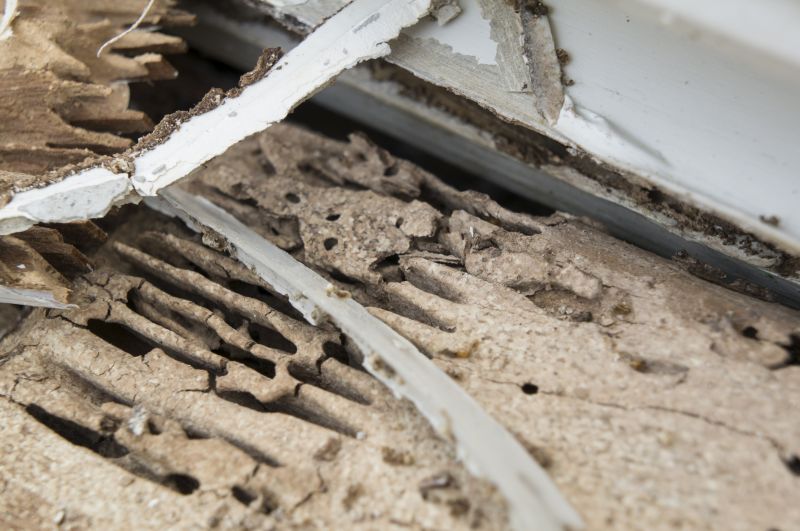
Dry rot often appears as spongy, cracked wood in areas prone to moisture buildup.
Common Affected Structures
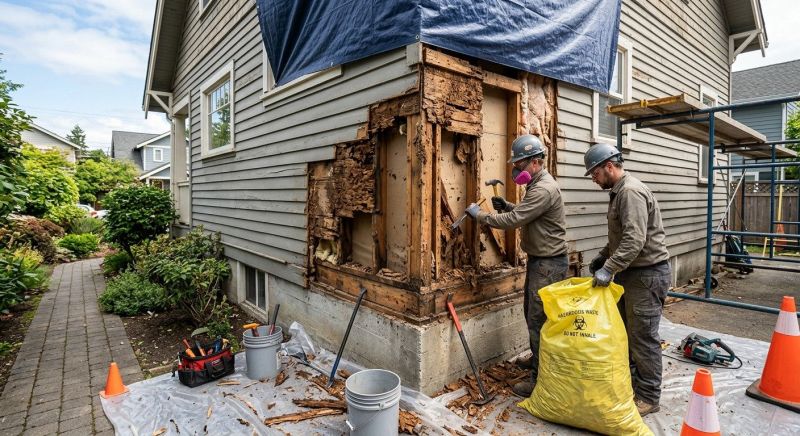
Walls, beams, and wooden framing in basements and attics are frequently impacted by dry rot.
Prevention And Maintenance
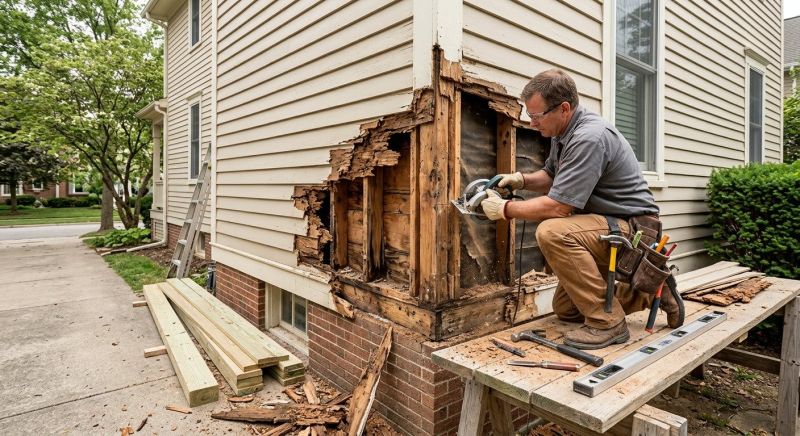
Regular inspections and moisture control can help prevent the spread of dry rot in properties around denver county.
Dry Rot Remediation in Denver County, CO

Dry rot remediation services focus on identifying and removing wood decay caused by fungal growth that thrives in moist, humid conditions. These services typically cover projects involving infected structural wood, such as beams, joists, framing, and other load-bearing components, as well as wood siding, trim, and decorative elements. Property owners usually want to understand the extent of the damage, the causes of moisture intrusion, and the steps involved in effectively stopping the spread of dry rot to protect the integrity of their home.
Before requesting dry rot remediation, homeowners should consider the severity of the decay, whether moisture sources like leaks or poor drainage are present, and the potential need for repairs to prevent future issues. It’s important to assess the scope of work required, including the removal of affected wood, treatment of remaining materials, and measures to improve ventilation or moisture control. Clear communication about these factors can help ensure the project addresses both current damage and future prevention.
Many property owners in Denver County, CO look into Dry Rot Remediation for repairs, replacements, upgrades, and appearance-related improvements.
Common Dry Rot Remediation Jobs
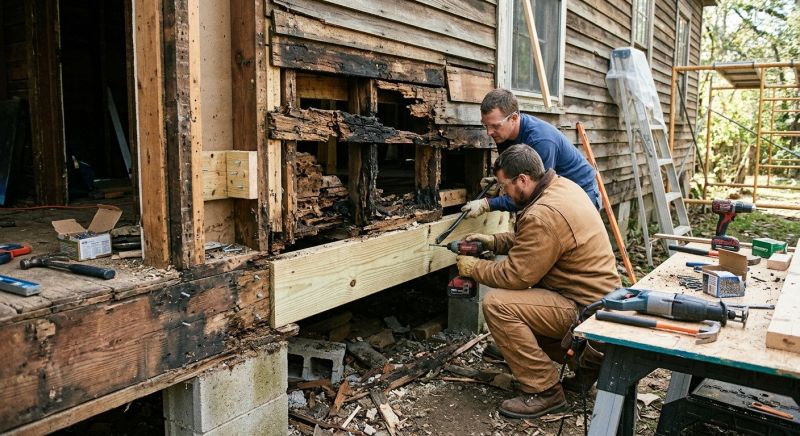
Dry Rot Repair - involves removing damaged wood and replacing it to restore structural integrity.
Structural Restoration - addresses compromised beams and supports caused by dry rot.
Wood Treatment - applies specialized solutions to prevent future dry rot growth.
Inspection Services - identify areas affected by dry rot to determine necessary remediation.
Property Assessment - evaluates the extent of dry rot damage throughout the building.
Preventive Solutions - implements measures to reduce moisture and inhibit dry rot development.
Dry Rot Remediation Questions
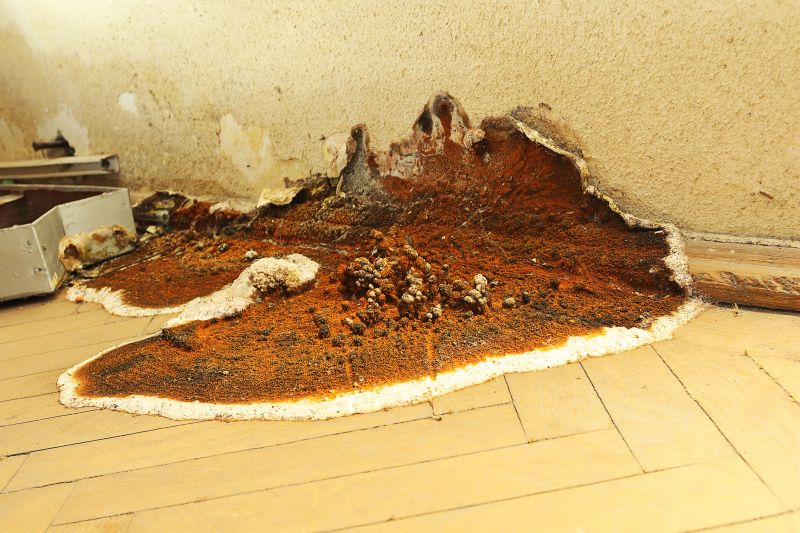
What is dry rot? Dry rot is a type of fungal decay that damages wood, causing it to weaken and crumble over time.
How can dry rot be identified? Signs include spongy or cracked wood, a musty odor, and visible fungal growth or discoloration.
Why is prompt remediation important? Addressing dry rot early helps prevent structural damage and costly repairs to the property.
What does dry rot remediation involve? It typically includes removing affected wood, treating the area, and replacing damaged materials as needed.
Request Dry Rot Remediation in Denver County, CO
Use the quote form on this page to share the basics of your project and request more information for the type of work you need.