Dry Rot Remediation in Denver, CO
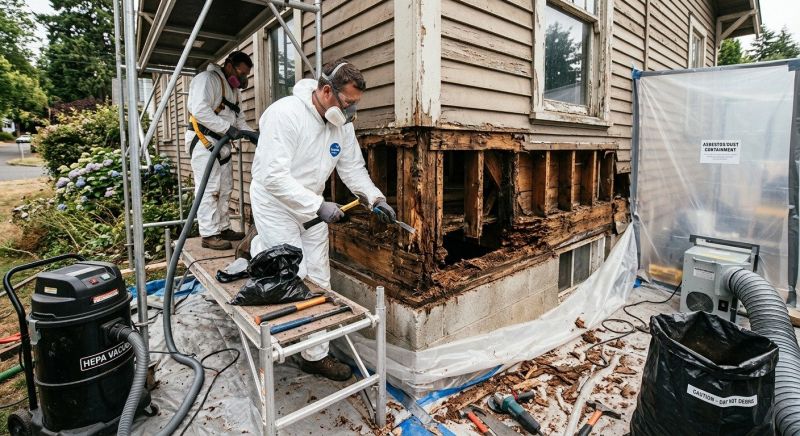
Dry rot remediation services focus on identifying and eliminating wood decay caused by certain types of fungi that thrive in damp, humid conditions. These services are typically requested for projects involving damaged structural wood in homes, such as beams, framing, flooring, or siding, where moisture intrusion has led to deterioration. Property owners often seek this service to prevent further structural issues, improve safety, and restore the integrity of their property’s wood components. Before requesting dry rot remediation, it is helpful to understand the extent of the damage, the source of moisture causing the rot, and the areas affected to ensure proper treatment and prevention measures are in place.
The process usually involves removing affected wood, treating remaining materials to inhibit fungal growth, and addressing underlying moisture problems. Projects can range from small repairs in localized areas to extensive work involving large sections of framing or structural elements. Property owners should inquire about the scope of the work, the methods used to eliminate the rot, and strategies for moisture control to prevent recurrence. Clear communication about the affected areas and desired outcomes can help ensure the remediation process effectively restores the property's safety and stability.
Many property owners in Denver, CO look into Dry Rot Remediation for repairs, replacements, upgrades, and appearance-related improvements.
Understanding Dry Rot
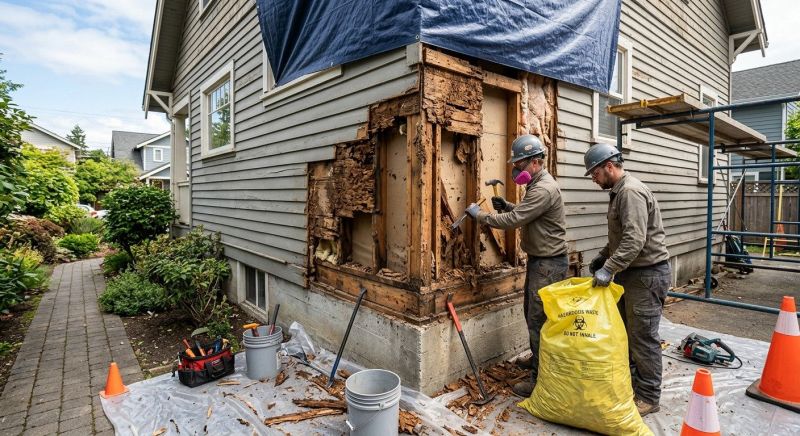
Dry rot is a fungal decay that damages wood and structural components in homes.
Signs Of Dry Rot Damage
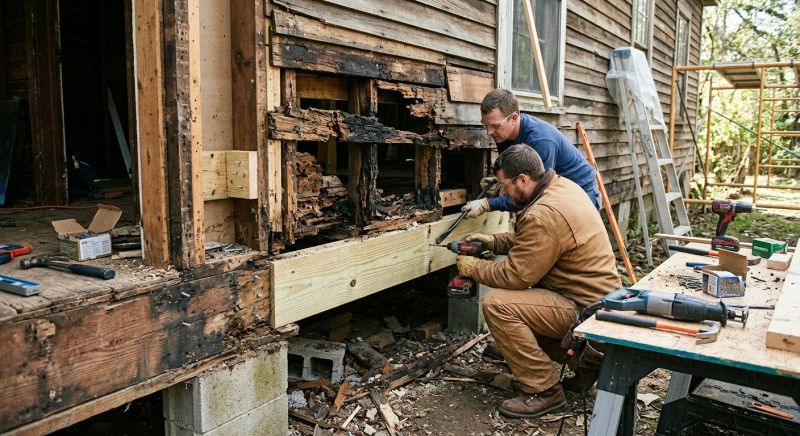
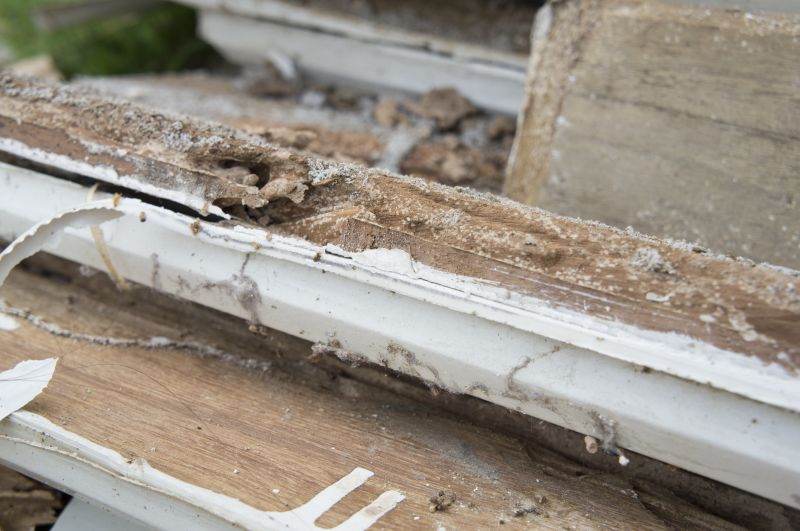
Indicators include soft, crumbly wood, discoloration, and a musty odor in affected areas.
Remediation And Prevention
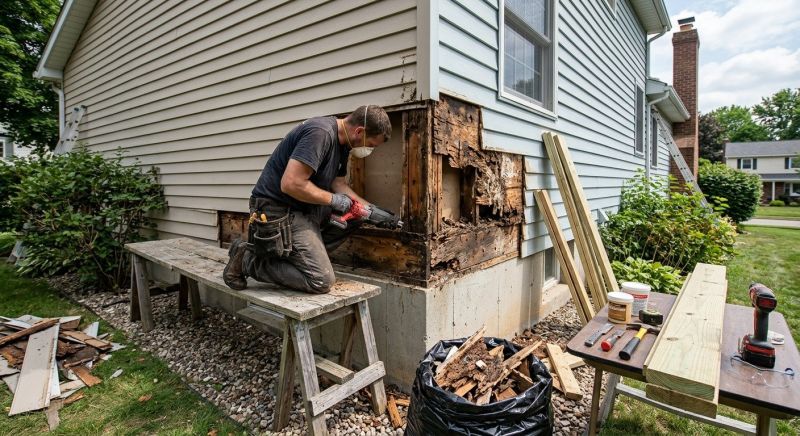
Effective dry rot remediation involves removal, treatment, and moisture control to protect denver homes.
Dry Rot Remediation in Denver, CO

Dry rot remediation services focus on identifying and eliminating wood decay caused by certain types of fungi that thrive in damp, humid conditions. These services are typically requested for projects involving damaged structural wood in homes, such as beams, framing, flooring, or siding, where moisture intrusion has led to deterioration. Property owners often seek this service to prevent further structural issues, improve safety, and restore the integrity of their property’s wood components. Before requesting dry rot remediation, it is helpful to understand the extent of the damage, the source of moisture causing the rot, and the areas affected to ensure proper treatment and prevention measures are in place.
The process usually involves removing affected wood, treating remaining materials to inhibit fungal growth, and addressing underlying moisture problems. Projects can range from small repairs in localized areas to extensive work involving large sections of framing or structural elements. Property owners should inquire about the scope of the work, the methods used to eliminate the rot, and strategies for moisture control to prevent recurrence. Clear communication about the affected areas and desired outcomes can help ensure the remediation process effectively restores the property's safety and stability.
Many property owners in Denver, CO look into Dry Rot Remediation for repairs, replacements, upgrades, and appearance-related improvements.
Common Dry Rot Remediation Jobs
Dry Rot Remediation - addresses wood decay caused by moisture to protect structural integrity.
Home Inspection - identifies affected areas and assesses the extent of dry rot damage.
Structural Repair - replaces or reinforces compromised wood to restore safety and stability.
Moisture Control - implements measures to reduce humidity and prevent future dry rot development.
Ventilation Solutions - improves airflow in affected spaces to help control moisture levels.
Preventative Treatments - applies treatments to inhibit mold growth and deter dry rot recurrence.
Dry Rot Remediation Questions
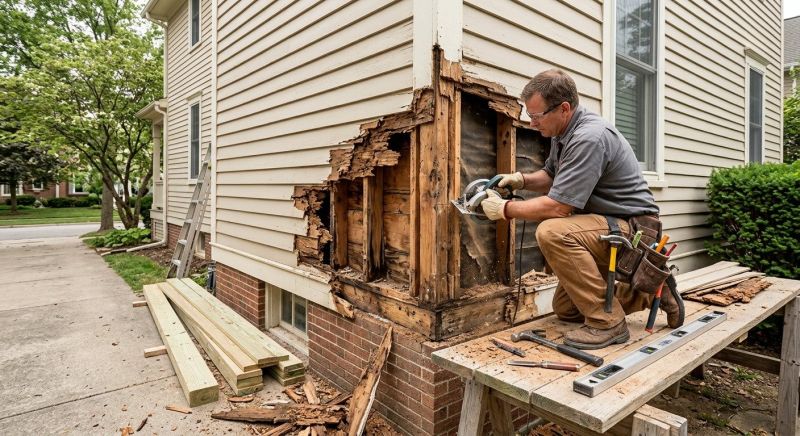
What is dry rot? Dry rot is a type of wood decay caused by fungi that can weaken structural wood in buildings.
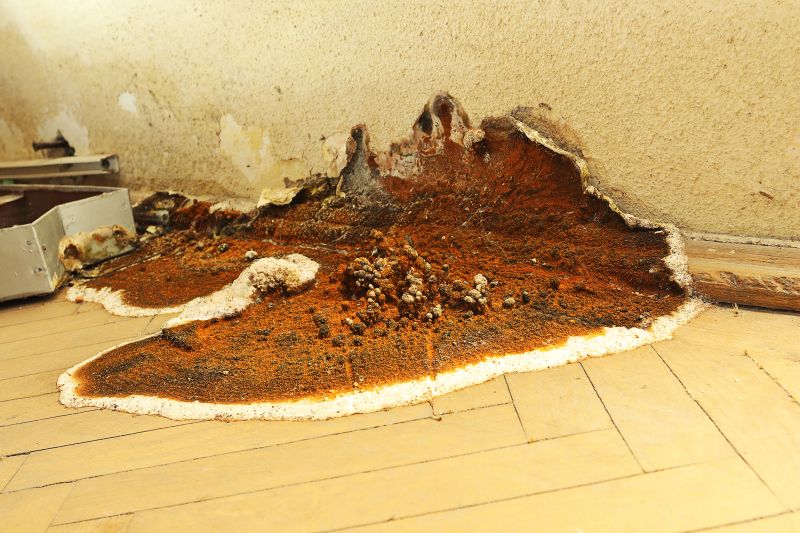
How can dry rot be identified? Signs include crumbling wood, darkened or cracked surfaces, and a musty odor near affected areas.
What causes dry rot to develop? Excess moisture, poor ventilation, and water leaks create conditions favorable for dry rot growth.
Why is prompt remediation important? Addressing dry rot early helps prevent structural damage and costly repairs later on.
Request Dry Rot Remediation in Denver, CO
Use the quote form on this page to share the basics of your project and request more information for the type of work you need.